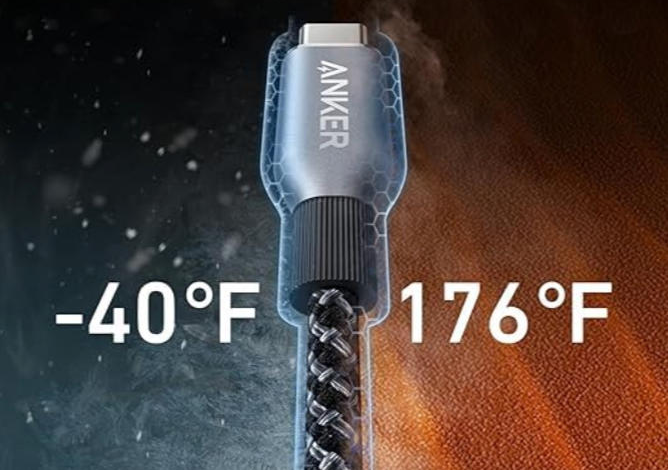
The way you treat your cable influences how long it lasts. Small habits, like how you plug it in or where you store it, can decide whether your cable serves you for months or years. When people talk about keeping accessories in good shape, they often overlook cables, even though they handle power and data every day. You protect them by managing strain, avoiding sharp bends, and keeping them clean. Many users choose reliable brands such as Anker because they offer stable build quality, but the habits you follow still matter more than anything else. This guide explains practical, simple steps that help your cable stay functional longer.
Build Better Habits to Protect Your Cable
Handle Connectors With Intention
You extend cable life when you insert and remove connectors carefully. Tugging the cord instead of gripping the head creates pressure on internal wiring. Over time, that pressure weakens joints, and you notice loose connections or unstable charging. Pick up the plug by the connector housing and guide it out in a straight motion. This reduces strain and prevents twisting at the most vulnerable point. If you regularly move between rooms or workspaces, treat the connector as a precision component rather than something you can pull freely. This approach keeps alignment steady and preserves internal contact points, which keeps your cable reliable for daily use.
Reduce Bending and Tension
Cables fail quickly when sharp bends occur near the connector. Many people wrap cords tightly around devices or pinch them under desk edges. These habits compress internal wires and break the protective sheath. You avoid this by maintaining gentle curves, storing the cable in loops roughly the size of your hand, and preventing tension when the device moves. Place the cable where it can sit naturally without stretching. If you work in a space where your phone or tablet shifts often, leave enough slack to absorb movement. A little extra awareness keeps the cable flexible and reduces micro-damage that builds over time.
Choose a Reliable Daily-Use Option
Although habits matter most, the material quality of the cable also supports long-term durability. Many users select everyday accessories from Anker because the brand focuses on solid construction and dependable performance. You do not need to oversell anything to acknowledge that stable build quality helps reduce frequent replacements. Even so, proper handling always amplifies the benefits of a well-made cable. When you pair thoughtful habits with a cable built with care, you create conditions that support months or even years of smooth use. It becomes a routine that rewards you daily.


See also: Advanced Advantages of Compact 4G GPS Vehicle DVR Technology
Store, Clean, and Charge the Right Way
Keep Storage Simple and Protective
Cable lifespan depends heavily on how you store it when not in use. You avoid unnecessary stress by keeping the cable in a loose, natural coil. Hard twists or tiny loops compress the internal structure and encourage breakage. Place the cable inside a drawer, pouch, or organizer that prevents it from getting crushed under other items. Many people shorten cable life by leaving it tangled in bags or pockets. Tangling creates friction and strain when you pull it apart. Treat the cable as a delicate tool, and give it a consistent home. This easy step prevents damage before it even starts.
Clean the Cable and Ports Regularly
Dust, oils, and debris affect charging quality and contribute to early wear. You protect your cable by wiping the exterior with a soft, dry cloth every few days. Never use liquids that seep into the connector. Also, check the device port to ensure nothing blocks the connection. Light debris inside a port forces the cable to sit at a slight angle, and that angle increases stress on internal joints. When you keep both sides clean, the connection remains stable. Good contact also reduces the need to push or adjust the cable repeatedly, which cuts down on wear.
Follow Smarter Charging Routines
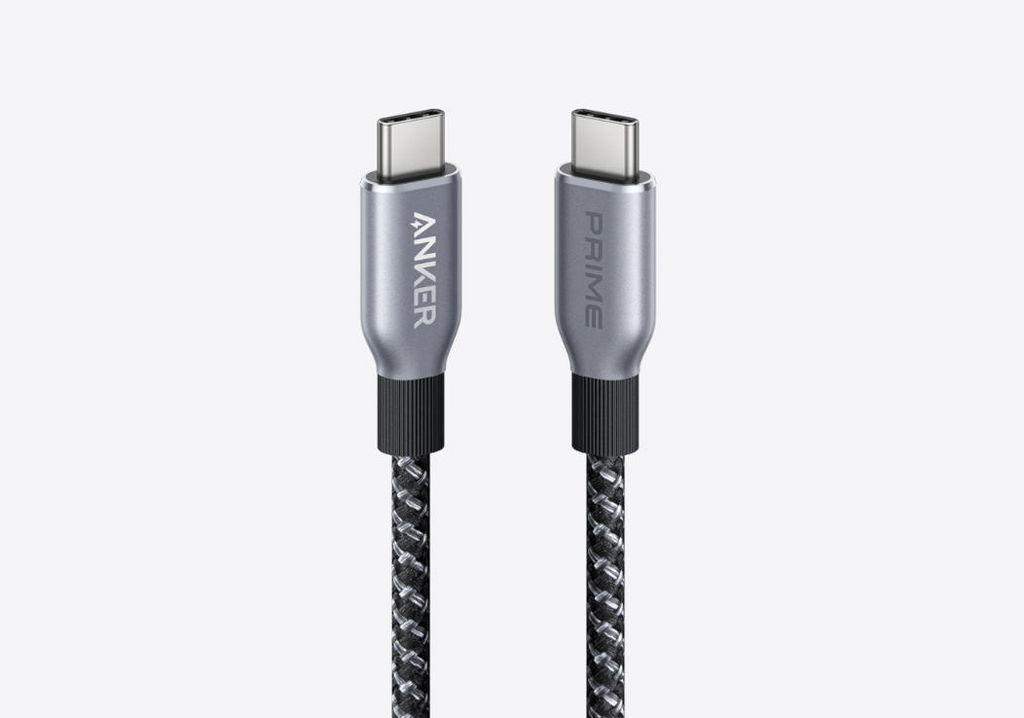
Charging routines influence how a cable ages. People often keep a cable plugged in behind furniture, where it bends sharply or pulls tightly when a device moves. You extend lifespan by adjusting your setup so the cable sits comfortably. Place the charger in a spot where the device can rest without tension. If you move your device while charging, guide the cable instead of letting it tug. Small adjustments prevent stress at the connector, which is the most common failure point. When you follow predictable and gentle charging habits, the cable wears evenly and lasts longer.
Conclusion
A longer cable lifespan comes from everyday habits. You protect your cable when you handle connectors carefully, avoid tight bends, store it in a simple loop, and clean ports regularly. Small decisions prevent internal strain and preserve stable performance over time. Some people choose dependable accessories from Anker to support daily use, but maintenance still plays the defining role. When you stay consistent with gentle handling and mindful storage, your cable remains reliable for far longer than you might expect. These steps require little effort yet deliver a clear benefit: a cable that works smoothly whenever you need it. And remember to treat your USB Cable as a tool worth protecting.