A home’s exterior does more than create curb appeal. It acts as the first line of defense against wind, rain, heat, and seasonal wear that slowly chip away at a property’s condition. When roofing, gutters, siding, and trim are maintained consistently, homeowners are far more likely to prevent the kinds of problems that turn into stressful, high-cost repairs.
The challenge is that many exterior issues start small. A missing shingle, a clogged gutter, or a soft spot near fascia boards may not seem urgent at first. But over time, those seemingly minor concerns can affect insulation, moisture control, structural materials, and even the comfort of the home inside.
Why Small Exterior Problems Rarely Stay Small
Most homeowners do not ignore their homes on purpose. The problem is usually visibility. Exterior systems are easy to overlook because they are designed to work quietly in the background. If water is draining properly and the roof appears fine from the ground, it is tempting to assume everything is in good shape.
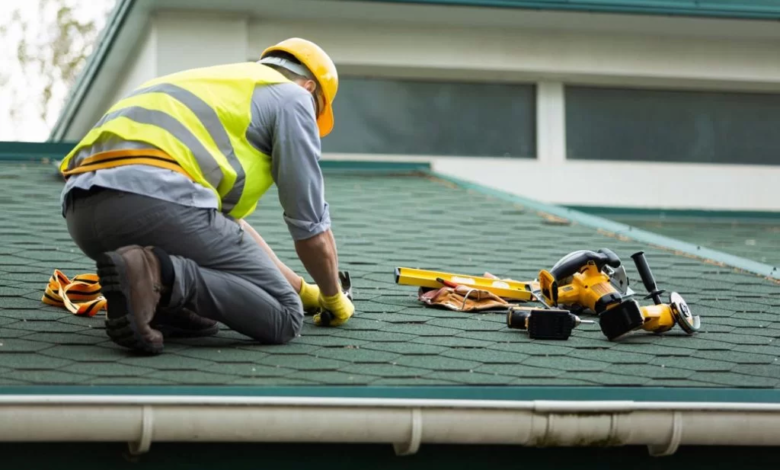
In reality, damage often develops gradually. Roof surfaces age under constant sun exposure. Flashing can loosen around vulnerable areas. Gutters can trap debris and redirect water where it does not belong. Siding may begin to show wear long before it fully fails.
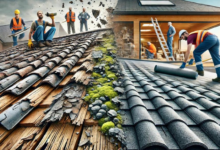

Once moisture gets past the outer shell of the home, the scope of the problem changes. Instead of a straightforward exterior repair, the homeowner may be facing damaged decking, stained ceilings, mold-prone areas, or compromised insulation. That is why routine inspections matter so much. They help catch the problem while the fix is still manageable.
See also: Why Evanston Homeowners Trust Hammell Homes for Every Home Repair and Remodel
The Roof’s Role in Overall Home Protection
When people think about exterior maintenance, the roof is usually the first thing that comes to mind, and for good reason. A roof protects nearly every major system below it. If it begins to fail, the effects can spread fast.
A healthy roofing system does more than keep rain out. It also supports ventilation, energy efficiency, and long-term structural stability. If shingles are curling, granules are wearing off, or leaks are beginning to form around penetrations and valleys, the roof may no longer be doing its job as effectively as it should.
Homeowners can benefit from watching for a few common warning signs:
- Water stains on ceilings or upper walls
- Shingles found on the ground after storms
- Soft spots or discoloration on the roof surface
- Rising energy bills without another obvious cause
- Visible sagging, warping, or aging around roof edges
These indicators do not always mean a full replacement is necessary, but they do suggest the home deserves a closer look. Delaying that assessment can reduce the available repair options and increase the eventual cost.
Gutters and Drainage Deserve More Attention
Gutters are often underestimated because they seem simple. But when they stop moving water away from the home effectively, multiple parts of the property can be affected at once.
Improper drainage can contribute to foundation stress, soil erosion, fascia damage, siding discoloration, and water intrusion around crawl spaces or basements. During heavy rain, a clogged or undersized gutter system can overflow in exactly the places homeowners need protection most.
That is why gutter maintenance is not just a cleaning task. It is part of a larger water-management strategy. A good system should collect runoff efficiently, guide it away from the home, and reduce the chance of standing water near vulnerable areas.
Homeowners who want to stay ahead of problems should pay attention to overflow patterns during storms. Water spilling over the sides, pooling near the base of the home, or streaking down siding can reveal issues that are otherwise easy to miss.
Siding, Trim, and the Hidden Cost of Neglect
Roofing gets most of the attention, but siding and trim are equally important to long-term exterior performance. They help protect the wall assembly from moisture and temperature swings while also shaping how well the home holds its appearance over time.
Cracked panels, loose sections, peeling paint, and swollen trim boards are not only cosmetic concerns. They can signal that water is entering places it should not. Once that happens, homeowners may be dealing with rot, insect exposure, or insulation problems hidden behind finished surfaces.
A strong exterior maintenance plan usually includes:
Seasonal visual checks
Walk around the home and look for uneven lines, discoloration, gaps, and peeling areas. Catching these changes early makes repairs more straightforward.
Storm follow-up
After severe weather, inspect for blown-off materials, dents, lifted edges, and drainage issues. Storm damage is not always obvious from the driveway.
Prompt repair decisions
Waiting for a “better time” often allows more damage to develop. Addressing isolated issues early can preserve more of the existing system.
Whole-system thinking
Exterior components work together. A roof issue can affect siding. A gutter problem can damage trim. Looking at the house as a complete envelope leads to better maintenance decisions.
Why Professional Inspections Add Real Value
There is a difference between noticing a symptom and understanding the full condition of an exterior system. Professional inspections help bridge that gap by identifying not just what is visible, but what is likely causing it.
This matters because homeowners often make decisions based on incomplete information. A stain on the ceiling may appear to be a single leak when the underlying issue is poor flashing or ventilation. Overflowing gutters may not simply need cleaning if pitch, fastening, or drainage design is part of the problem.
For homeowners who want a clearer sense of what to watch for, the Ideal Roofing & Exteriors team offers useful context around roofing, gutter, siding, and inspection-related concerns that affect long-term exterior performance. That kind of broader perspective can help property owners ask better questions before minor issues become major ones.
The best inspections are not just about finding damage. They help homeowners prioritize. In some cases, a small repair and a maintenance plan may be enough. In others, aging materials or repeated storm exposure may make a more comprehensive upgrade the smarter investment.
A Smarter Approach to Long-Term Homeownership
Owning a home will always involve upkeep, but it does not have to feel reactive. The most effective approach is to think in terms of prevention rather than emergency response.
That means scheduling regular check-ins, acting early when warning signs appear, and viewing exterior systems as connected parts of one protective envelope. A home that sheds water properly, ventilates well, and maintains solid exterior materials is far less likely to surprise its owner with expensive structural or interior damage.
In the long run, proactive exterior maintenance is not just about preserving materials. It is about protecting comfort, reducing stress, and making better financial decisions over the life of the home. Homeowners who stay attentive to roofing, drainage, and siding conditions put themselves in a much stronger position than those who wait until a problem becomes impossible to ignore.