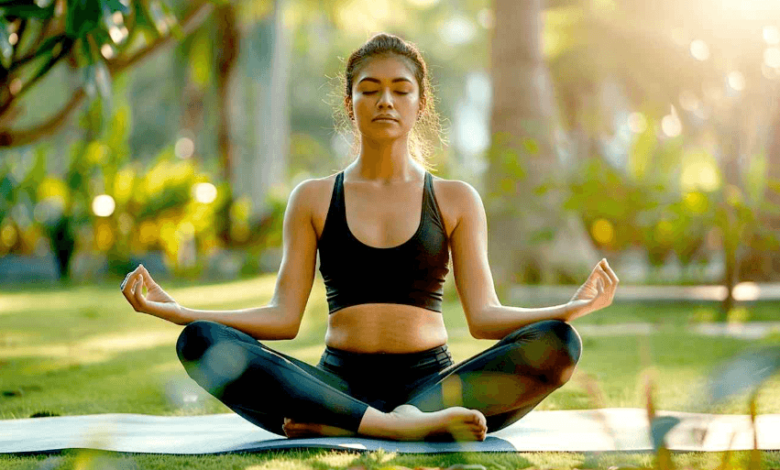
Busy schedules, continuous screen exposure, and fast-paced routines often leave little room for intentional relaxation. As a result, many individuals look for simple practices that can be included within their daily schedule without requiring extensive preparation. Yoga is frequently explored because it combines mindful movement with breathing awareness, making it easier to create structured moments of calm throughout the day.
Within these routines, guided yoga for stress management is commonly practiced to introduce regular movement breaks, while yoga for sleep is often included during evening hours to encourage slower transitions before bedtime. Together, these approaches help build practical habits that support greater consistency and a calmer daily rhythm.
Why Is Yoga for Stress Management Included in Daily Routines
Many individuals explore yoga because it provides a structured way to pause during demanding schedules without depending on lengthy workout sessions. Rather than changing an entire lifestyle, small yoga sessions can be incorporated into existing routines and gradually become part of everyday movement habits.
Common ways people include yoga for stress management are:


- taking mindful breathing breaks between work sessions
- practicing gentle stretches after prolonged sitting
- creating short movement routines during busy days
- scheduling yoga before or after work hours
- maintaining a regular practice time each day
A daily yoga for stress management routine often becomes easier to maintain because it focuses on realistic participation rather than perfection.
How Does Yoga for Sleep Fit Into Evening Habits
Evening routines often influence how easily individuals transition from an active day into a more relaxed state. Many practitioners prefer yoga before bedtime because it encourages slower movement and creates a consistent routine that signals the body it’s time to unwind. Rather than performing physically demanding exercises, the emphasis usually remains on comfort, breathing, and gradual relaxation.
Yoga for sleep is commonly included in evening routines by:
- slowing down body movements before bedtime
- practicing comfortable breathing patterns
- reducing screen exposure before starting
- creating a quiet and relaxing practice space
- following a similar bedtime routine each evening
An evening yoga for sleep routine is often appreciated because it fits naturally into existing bedtime habits without requiring extensive preparation.
Which Everyday Habits Can Improve Relaxation-Focused Yoga
A consistent yoga routine often becomes easier to maintain when supported by simple daily habits. Creating a comfortable environment and following a predictable schedule can make each session feel more natural, helping practitioners stay committed without adding unnecessary complexity to their routine.
Habits that commonly complement relaxation-focused yoga include:
- choosing a quiet space with minimal distractions
- wearing comfortable clothing that allows free movement
- practicing at the same time each day whenever possible
- avoiding heavy meals immediately before practice
- spending a few quiet minutes resting after the session
These practical habits work well alongside guided yoga for stress management and calming yoga for sleep because they help establish a routine that feels both manageable and sustainable. Over time, maintaining a familiar practice environment can encourage greater consistency and make relaxation-focused yoga easier to integrate into everyday life.
What Makes Consistency More Important Than Longer Sessions
Long yoga sessions are not always necessary to develop a sustainable practice. Many individuals find that shorter, regular sessions are easier to maintain and fit more naturally within changing schedules. Consistency often creates stronger routine habits than occasional, lengthy practice sessions.
Simple ways to maintain consistency include:
- practicing for 15–20 minutes regularly
- choosing routines that match your daily energy levels
- focusing on smooth breathing instead of speed
- progressing gradually without rushing into advanced movements
- connecting yoga with existing daily habits such as mornings or evenings
A daily yoga for stress management routine often becomes more effective when practiced consistently rather than occasionally. Likewise, gentle yoga for sleep is easier to sustain when it becomes part of a familiar evening schedule. These small but regular practices help build confidence, encourage routine participation, and make yoga a dependable part of everyday life.
See also: Mental Health Course For Early Intervention And Support
How Can Regular Yoga Become Part of a Calmer Daily Routine
Building a long-term yoga routine does not require complicated schedules or extended practice sessions. What often matters most is choosing movements that feel comfortable, practicing at a realistic pace, and creating habits that can be maintained consistently. When yoga becomes part of everyday life, it is easier to return to the practice even during busy periods.
Whether someone explores yoga for stress management during the day or includes yoga for sleep before bedtime, both approaches encourage greater awareness of movement, breathing, and routine consistency. By focusing on regular participation rather than intensity, individuals can gradually develop a sustainable practice that supports calmer daily habits and fits naturally into changing lifestyles.