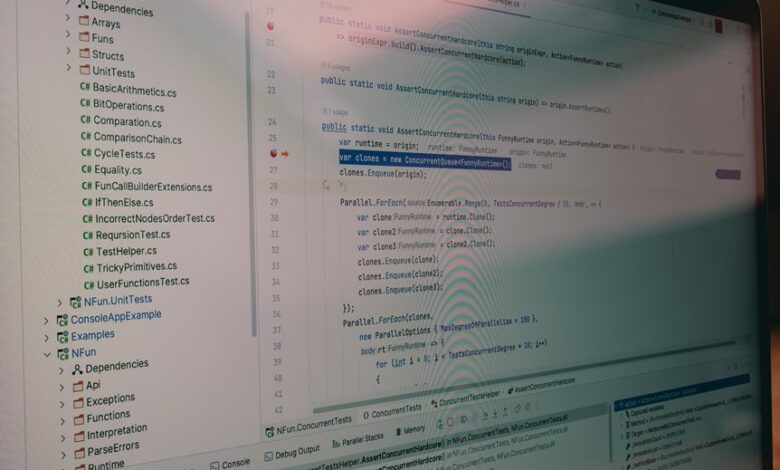
Osgartop0.9.6.3 is a defined build of the Osgartop project focused on observability metrics. It unifies metrics, logs, and alerts to support dashboards and auditable reporting. The edition emphasizes automation, governance, and modular components for scalable operations. It outlines interfaces and integration points to clarify stakeholder roles. End-to-end visibility is a central aim, with transparent access controls. The approach invites examination of how these elements come together in real workflows, leaving a question about practical adoption.
What Is osgartop0.9.6.3 and Why It Matters
Osgartop0.9.6.3 is a software release version that denotes a specific build of the Osgartop project. The osgartop0.9.6.3 overview clarifies scope, architecture, and compatibility, enabling informed adoption. This edition emphasizes metrics automation, ensuring consistent data collection, reliable dashboards, and repeatable reporting. By detailing interfaces and integration points, stakeholders understand benefits without excessive complexity, supporting autonomous configuration and freedom in operational decisions.
Core Features That Streamline Metrics, Logs, and Alerts
Core features are designed to unify metrics collection, log aggregation, and alerting into a single, coherent workflow. osgartop0.9.6.3 overview highlights streamlined telemetry paths, reducing fragmentation and decision latency. By aligning data types and timelines, the platform supports metrics optimization, rapid anomaly detection, and actionable insights.
This structure preserves freedom through transparent governance, modular components, and scalable, user-centric observability.


How to Integrate osgartop0.9.6.3 Into Your Workflow
Integrating osgartop0.9.6.3 into an existing workflow aligns telemetry cohesion with established practices for metrics, logs, and alerts.
The discussion ideas center on mapping data sources, defining triggers, and validating end-to-end visibility.
An explicit integration workflow outlines stepwise adoption, role responsibilities, and monitoring feedback loops, ensuring minimal disruption while preserving autonomy and freedom for operators and developers alike.
Practical Tips, Best Practices, and Troubleshooting
What practical tips, best practices, and troubleshooting guidelines emerge when adopting osgartop0.9.6.3 in real-world environments?
The approach emphasizes data privacy by design, minimal exposure, and auditable access controls.
Incident response is streamlined through predefined playbooks, centralized logging, and rapid rollback.
Regular updates, testing, and clear ownership reduce risk, while documentation supports transparency, reproducibility, and freedom to adapt without compromise.
Frequently Asked Questions
Is osgartop0.9.6.3 Compatible With Windows?
osgartop0.9.6.3 compatibility: likely limited on Windows native support. Containerization viability may rely on running in Docker/WSL2; performance and integration vary. For freedom-minded users, evaluate virtualization overhead, compatibility layers, and ongoing project activity before adoption.
Does It Require a Database for Operation?
Like a compass in fog, osgartop0.9.6.3 operates without a mandatory database. It does not require one for basic function, though optional storage can enhance features. Two word discussion ideas: privacy concerns; usability.
How Is Data Privacy Handled by Osgartop?
Data privacy is maintained through encryption, auditing, monitoring, and backups, with user consent governing data handling. It supports containerization, interoperability, and licensing compliance, ensuring compatibility, scalability, deployment, and integration across Windows environments while preserving security and performance.
What Are the Licensing Terms and Costs?
“Freedom isn’t free,” notes the report. Licensing terms cover usage rights and redistribution; costs vary by tier. Compatibility windows matter for updates. In sum, licensing terms, costs, and compatibility windows define Osgartop’s access and limits.
Can It Run in a Containerized Environment?
Yes, it supports Running containerized deployment. Licensing and costs are defined per the official terms; transparency exists, with scalable options. The approach emphasizes freedom, permitting flexible deployment, reuse, and interoperability within modern container ecosystems and heterogeneous infrastructures.
Conclusion
Osgartop0.9.6.3 offers a measured shift toward unified telemetry, gently aligning metrics, logs, and alerts into a cohesive rhythm. By embracing transparent governance and modular components, it quietly reduces complexity while expanding visibility across workflows. Operators and developers can navigate changes with calmer confidence, enjoying repeatable reporting and auditable access. In short, the edition broadens control without imposing rigidity, guiding teams toward steadier dashboards and more dependable decision-making through thoughtful, unobtrusive enhancements.