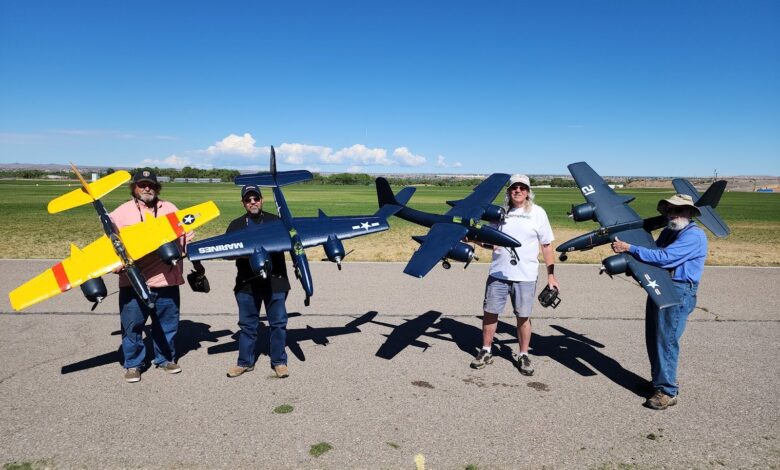
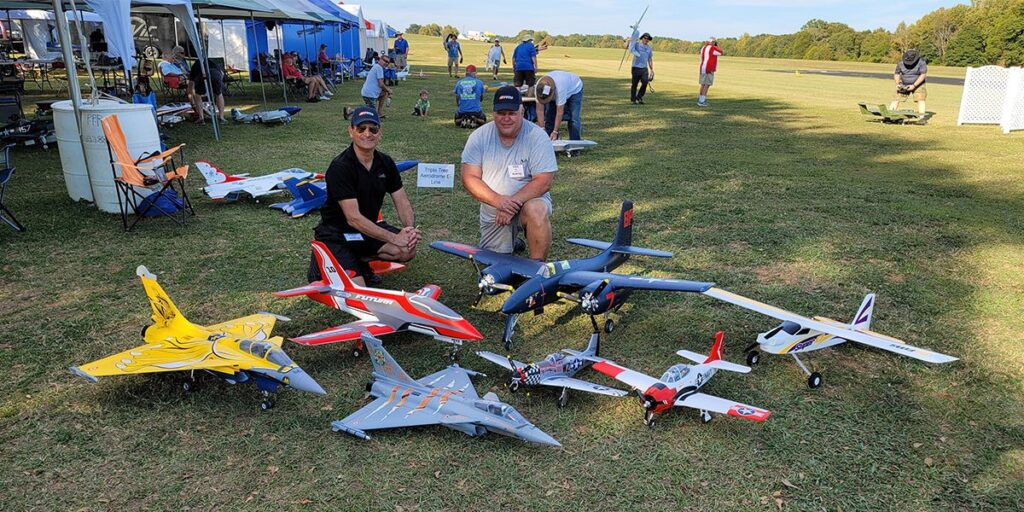
Stepping into the world of radio-controlled aviation brings a rush of excitement mixed with a healthy dose of uncertainty. For beginners, the first major hurdle isn’t learning to fly—it’s choosing the right aircraft to learn on. Pick something too simple and you’ll outgrow it quickly; choose something too advanced and you’ll spend more time repairing than flying. This is where the North American T-28 Trojan enters the picture as an exceptional middle ground. Originally designed as a military trainer aircraft that taught thousands of pilots the fundamentals of flight during the Cold War era, the T-28 bridges the gap between basic trainers and complex scale warbirds. Its real-world heritage as a forgiving yet capable training platform translates beautifully to the RC realm. This guide will walk you through why the T-28 Trojan stands out as an ideal beginner rc plane, focusing specifically on the two qualities every novice pilot needs most: rock-solid durability to withstand inevitable learning mistakes, and predictable handling characteristics that build confidence from your very first takeoff.
Why the T-28 Trojan is an Ideal Beginner RC Plane
The T-28 Trojan occupies a sweet spot in the beginner aircraft market because it was designed—both in full-scale and RC form—with learning in mind. The original military trainer’s purpose was to take student pilots from basic skills to advanced maneuvers without being unforgiving of mistakes. This philosophy carries directly into RC models. The aircraft’s wide fuselage and generous wing area create inherent stability that keeps the plane flying straight and level with minimal input, allowing new pilots to think ahead rather than constantly correcting. When you do make an error, the T-28’s forgiving nature gives you time to recover rather than punishing you instantly with a crash. Durability becomes your second instructor when you’re learning. The T-28’s design typically features robust construction that absorbs the hard landings and minor collisions that every beginner experiences. Unlike delicate scale models with intricate details that shatter on impact, a well-designed T-28 bounces back from these learning moments. This combination means you spend more time developing actual flying skills and less time on the repair bench feeling discouraged. The aircraft also delivers that “real plane” feel without overwhelming complexity—you’re flying something that looks and behaves like a genuine warbird, building enthusiasm while your confidence grows with each successful flight. This balance between accessibility and authenticity keeps beginners engaged through the critical early weeks when many abandon the hobby.
A Brief History: The Real North American T-28 Trojan
The North American T-28 Trojan emerged in the late 1940s as the United States military recognized the need for a more powerful trainer to bridge the growing gap between basic propeller trainers and the new jet fighters entering service. First flying in 1949, the T-28 replaced the venerable T-6 Texan, offering student pilots a taste of the higher speeds and more complex systems they’d encounter in operational aircraft. The Air Force adopted the T-28A variant, while the Navy chose the more powerful T-28B and carrier-capable T-28C models, training countless aviators throughout the 1950s and 1960s. Beyond its primary training role, the Trojan saw combat duty in counter-insurgency operations during the early Vietnam War years, where its rugged construction and ability to carry ordnance proved valuable in close air support missions. This dual nature—gentle enough for students yet capable of real combat work—cemented its reputation as one of aviation’s most versatile aircraft. For RC enthusiasts, flying a T-28 model means piloting a genuine piece of Cold War history, an aircraft that shaped military aviation training for decades. This heritage adds emotional connection to your flying sessions, transforming each flight from simple recreation into a tribute to an iconic military trainer aircraft that earned respect from every pilot who flew it.
Key Features for Beginners: Durability and Handling Decoded
Durability: Built to Survive the Learning Curve
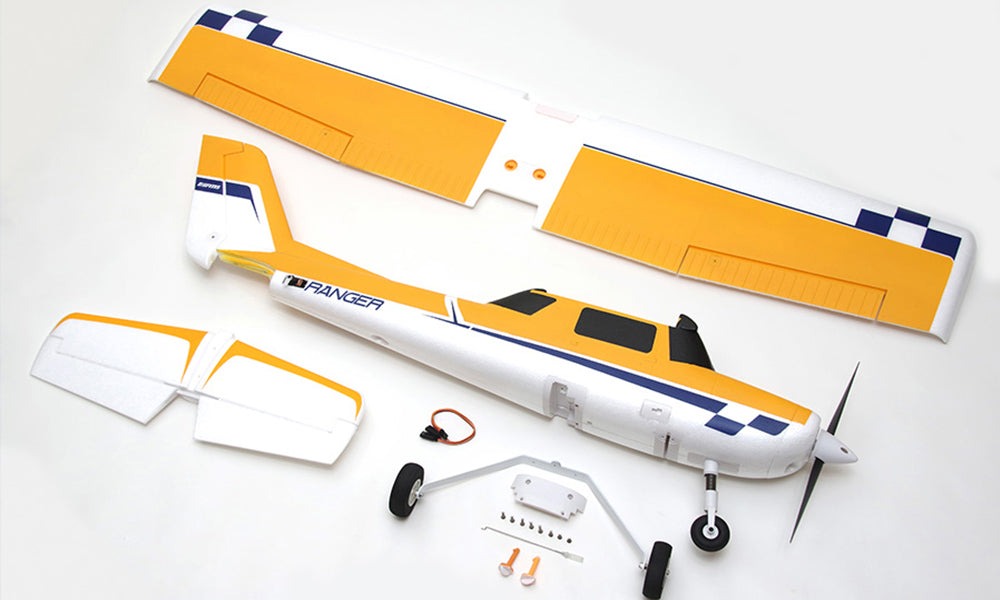
When you’re learning to fly, crashes aren’t a possibility—they’re a certainty. This reality makes construction material your first consideration. Most quality beginner T-28 models utilize EPO foam (expanded polyolefin), a material that absorbs impact energy without shattering like traditional balsa or splintering like cheaper EPS foam. EPO flexes on impact and returns to shape, meaning that nose-first dive into soft grass often results in nothing more than a scuff mark. The cellular structure of this foam also makes mid-flight repairs simple with standard foam-safe CA glue. Beyond material choice, look for reinforced critical zones—carbon fiber spars running through the wings prevent the dreaded mid-air fold, while reinforced motor mounts keep your power system secure through hard landings. The landing gear design matters tremendously for beginners who haven’t mastered smooth touchdowns. Spring-loaded wire gear absorbs vertical shock, while the mounting system should allow the gear to break away or flex rather than transmitting forces that crack the fuselage. Modular construction transforms major damage from a hobby-ending disaster into a simple part swap. Wings that attach with rubber bands or quick-release clips can separate on impact, dissipating energy that would otherwise destroy the airframe. This thoughtful engineering means your T-28 becomes a long-term training partner rather than a one-flight wonder.


Handling: Predictable and Forgiving in the Air
The T-28’s handling characteristics stem directly from its aerodynamic design, which prioritizes stability over aggressive performance. Most RC T-28 models feature a low-wing configuration with generous wing area and a semi-symmetrical airfoil—this combination delivers stable cruise flight while still allowing basic aerobatic maneuvers as your skills progress. The dihedral angle built into many beginner variants (where wingtips sit slightly higher than the wing root) creates a self-leveling tendency that automatically corrects bank angles when you release the controls. This forgiving nature gives new pilots breathing room to process what’s happening and plan their next input rather than fighting constant instability. Control response at low speeds separates great trainers from frustrating ones. The T-28’s large control surfaces and relatively light wing loading mean the aircraft remains responsive during slow-speed approaches and landings, the phase where most beginners struggle. You maintain authority over the plane even as airspeed drops, preventing that helpless feeling when controls go mushy. Perhaps most importantly, the T-28 exhibits gentle stall characteristics—when you finally do slow down too much, the nose drops gradually rather than snapping into a spin. This predictable behavior teaches proper stall recognition and recovery without the terror factor. These handling qualities work together to compress your learning curve, letting you master basic flight in weeks rather than months while building the muscle memory that translates to more advanced aircraft later in your RC journey.
See also: Strategic Private Chauffeur Services for Business and Lifestyle Travel in Portland
Your Step-by-Step Guide to Choosing Your First T-28 Trojan RC Plane
Step 1: Decide on Ready-to-Fly (RTF) vs. Bind-and-Fly (BNF)
Your first decision point determines what arrives in the box and how quickly you’ll be airborne. Ready-to-Fly packages include everything needed for immediate flight—the aircraft, transmitter, receiver, battery, and charger all matched and tested at the factory. For absolute beginners with no RC equipment, RTF removes guesswork and compatibility concerns. You charge the battery, install it, and head to the field within hours of opening the box. The included transmitter handles basic functions adequately, though it typically works only with that specific model. Bind-and-Fly models assume you already own or plan to invest in a quality computerized transmitter. The aircraft comes fully assembled with receiver, servos, and motor installed, but you provide the transmitter, battery, and charger. This option makes sense if you’re committed to the hobby long-term, as a good transmitter (compatible with multiple aircraft) becomes your foundation for an expanding fleet. BNF models also offer transmitter upgrade flexibility—you can choose systems with advanced features like telemetry and programming options that enhance the flying experience as your skills develop.
Step 2: Evaluate Size and Power Options
Wingspan directly impacts your flying experience in ways that aren’t immediately obvious. Smaller T-28 models around 800-900mm wingspan offer portability—they fit in most vehicles and fly comfortably in smaller fields or even large parks. However, they’re more affected by wind and require quicker reactions due to faster flight speeds relative to their size. Mid-size models in the 1100-1200mm range strike the best balance for most beginners, providing enough mass to handle light winds while remaining manageable in typical flying spaces. Larger 1400mm+ variants deliver the most scale-like flight experience with impressive stability, but demand larger flying areas and dedicated transportation. Power system choice matters equally. Brushed motors appear in budget models but offer limited performance and shorter lifespan. Brushless motors cost more initially but deliver superior power efficiency, longer flight times, and years of reliable service. For a T-28 trainer, look for power systems in the 15-25 watt per pound range—enough for confident climbs and recovery from mistakes without overwhelming speed that makes learning difficult.
Step 3: Essential Features to Look For
Not all T-28 models are created equal, so verify these critical features before purchasing. Four-channel control is non-negotiable—you need independent control of throttle, elevator, ailerons, and rudder to learn proper coordination. Three-channel models lack ailerons, severely limiting your progression beyond basic circuits. Electronic stabilization systems like AS3X or SAFE technology have revolutionized beginner flying by automatically counteracting wind gusts and pilot overcorrections while still allowing you to learn genuine control inputs. SAFE systems often include panic recovery modes that level the wings with a switch flip, an invaluable safety net during those first disorienting flights. Examine servo quality closely—metal-geared servos in critical positions (especially the steering servo) withstand crash impacts better than plastic-geared alternatives. Landing gear should feature music wire construction with flexible mounting that absorbs impacts rather than transmitting them into the fuselage. Finally, confirm battery compatibility and flight times—beginners benefit from 8-12 minute flights that allow practice without fatigue, requiring battery capacities typically between 2200-3300mAh depending on model size.
Step 4: Budgeting and Recommended Brands/Models
Realistic budget planning prevents disappointment and ensures you have everything needed for successful flights. For a complete RTF setup, expect to invest between $180-$350 depending on size and feature set. This range gets you a quality aircraft that will last through the learning process. BNF models run $120-$280, but remember you’ll need to budget an additional $80-$200 for a decent transmitter if you don’t already own one. Factor in $30-$50 for spare batteries (you’ll want at least two for extended field sessions) and another $20-$40 for a quality charger if not included. Among manufacturers, E-flite’s T-28 Trojan models consistently earn praise for build quality and excellent customer support, particularly their versions with AS3X and SAFE stabilization. FMS Model produces solid mid-range options with good scale detail and reliable electronics at competitive prices, with their T-28 variants offering EPO foam construction and accessible parts availability. Dynam offers budget-friendly entry points, though with slightly less refined flight characteristics. When comparing specific models, prioritize those with positive user reviews specifically mentioning durability and customer service responsiveness—these factors matter more than minor specification differences when you’re learning and will inevitably need support or replacement parts.
First Flights and Beyond: Mastering Your T-28
Before your first flight, establish a disciplined pre-flight routine that becomes second nature. Check all control surfaces for full movement in the correct direction—push the stick forward and watch the elevator move down, right stick right and the ailerons should bank right. Verify the battery is fully charged and securely fastened, as a loose battery shifting during flight causes control nightmares. Inspect the propeller for cracks and ensure it’s tight on the motor shaft. Finding the right flying field transforms your experience from stressful to enjoyable. Seek out spaces at least three football fields in length, away from trees, power lines, and people. Local RC clubs offer not just safe flying sites but invaluable mentorship—experienced pilots can spot issues you’d never notice and talk you through those first nerve-wracking takeoffs. Many clubs offer buddy-box training where an instructor can take control instantly if things go wrong. Your initial flights should focus on basic circuits: takeoff, climb to a comfortable altitude, fly rectangular patterns, and practice gentle turns. The T-28 excels at these fundamentals while its inherent stability keeps you safe. As confidence builds over several flights, the aircraft’s capabilities grow with you. Introduce shallow banks, then steeper turns. Practice figure-eights to develop coordination. The T-28’s semi-aerobatic nature allows progression into loops and rolls when you’re ready, maintaining engagement through months of skill development. This versatility means your first plane doesn’t gather dust after initial mastery—it becomes a reliable platform for continuous improvement and pure flying enjoyment.
Your Path to RC Aviation Success
The North American T-28 Trojan stands apart in the crowded beginner aircraft market by offering something rare: a genuine connection to aviation history wrapped in a forgiving, durable airframe perfectly suited for learning. Its heritage as a military trainer aircraft that successfully taught thousands of real pilots translates directly into RC form, providing new hobbyists with stable handling characteristics and construction robust enough to survive the inevitable learning curve. By following the step-by-step selection process—choosing between RTF and BNF formats, evaluating appropriate size and power systems, verifying essential features like stabilization technology and quality construction, and budgeting realistically for reputable models—you position yourself for success from day one. The T-28 doesn’t just survive your beginner phase; it grows with you, offering aerobatic capabilities and scale flying experiences that remain engaging long after you’ve mastered basic circuits. Choosing the right first aircraft determines whether RC aviation becomes a lifelong passion or a brief, frustrating experiment. With a well-selected T-28 Trojan as your training partner, you’re not just buying a plane—you’re investing in countless hours of joy, steady skill progression, and membership in a community that shares your enthusiasm for flight. Your journey into RC aviation begins the moment you commit to the right aircraft, and the T-28 Trojan opens that door with confidence and capability.