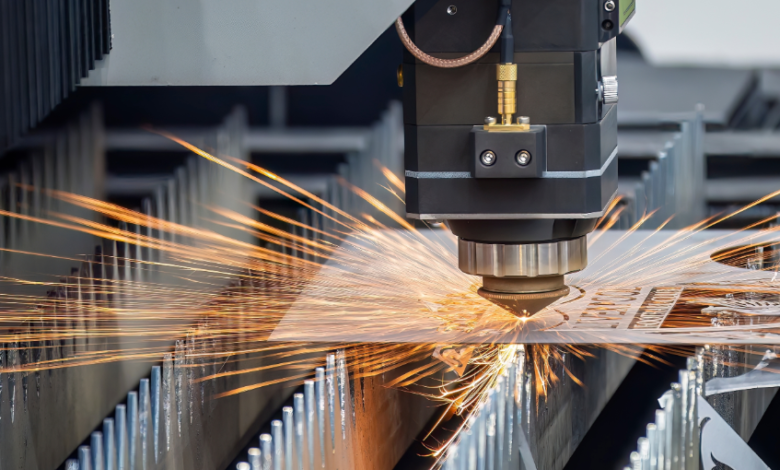
Introduction to Modern Metal Shaping
In today’s manufacturing industry, efficiency and precision are essential for producing high-quality metal components. The evolution of metal shaping equipment has enabled factories to meet these demands, allowing for more complex designs and consistent production. Advanced machines have become integral in ensuring both speed and accuracy while reducing material waste.
Understanding Machine Operation
Modern equipment for bending and shaping metal sheets operates using a combination of mechanical and hydraulic systems. By applying controlled pressure, these machines bend metal with high precision. Advanced digital controls allow operators to program exact parameters, ensuring uniform results across multiple parts.
Automation plays a key role, as it minimizes human error while allowing for repetitive tasks to be performed accurately. Operators can store specific bending programs, which accelerates production and maintains consistent quality.
Types of Metal Bending Machines
There are various types of machines designed for metal shaping, each suited for specific industrial needs:


Mechanical Machines: Use levers and gears to apply force, suitable for simpler and lighter tasks.
Hydraulic Systems: Provide smooth bending for thicker metals, allowing for complex shapes without compromising the material.
Computer-Controlled Equipment: Combine automation and precision, supporting detailed designs with minimal manual input.
The combination of advanced systems such as a
press brake machine
and computer-assisted controls provides flexibility and control, ensuring that even delicate metals can be bent accurately without damage.
See also: Working with a Fountain Tech Company: A Complete Guide for Property Owners
Advantages in Industrial Applications
Integrating these machines into manufacturing processes offers several benefits:
High Accuracy: Consistent bends reduce the risk of defective products.
Improved Efficiency: Automation decreases production time and labor requirements.
Material Versatility: Can handle metals ranging from soft aluminum to thick steel sheets.
Operational Consistency: Maintains performance over long production runs without significant variation.
These advantages contribute to cost savings, higher productivity, and superior product quality.
Selecting the Right Equipment
Choosing the right machine depends on multiple factors:
Material Characteristics: Some metals require specific bending methods.
Production Volume: High-output facilities need machines capable of continuous operation.
Precision Needs: Industries like automotive and aerospace demand minimal tolerance deviations.
Maintenance Requirements: Accessible service options reduce downtime and extend machine lifespan.
Making an informed choice ensures long-term reliability and operational efficiency.
Integration with Modern Production Systems
Many machines today are designed to integrate with factory automation and smart manufacturing systems. This connectivity allows for real-time monitoring, predictive maintenance, and optimized workflows. Operators can track performance data and make adjustments to improve efficiency, contributing to the development of more advanced, automated production environments.
Safety and Environmental Considerations
Safety remains a primary concern in industrial operations. Modern machines are equipped with protective features such as emergency stops, safety shields, and automated shutdown systems to prevent accidents. Energy-efficient designs also help reduce power consumption, promoting sustainable manufacturing practices.
Training and Skilled Operation
Even with automation, trained operators are essential. Proper training ensures that personnel can program, operate, and troubleshoot the machines effectively. The combination of skilled staff and advanced technology maximizes output quality, minimizes errors, and enhances workplace safety.
Future Trends in Metal Fabrication
The future of metal shaping equipment involves further integration of artificial intelligence and machine learning. Machines may automatically adjust parameters based on material characteristics and prior tasks, improving precision and efficiency. Additionally, lightweight, energy-efficient designs will expand applications, making the technology suitable for more specialized industrial environments.
Conclusion
Advancements in metal shaping machines have revolutionized industrial manufacturing, offering precision, efficiency, and versatility. By understanding the capabilities and applications of these machines, manufacturers can enhance productivity, maintain high-quality standards, and meet increasing industrial demands. As technology continues to evolve, these machines will remain central to modern fabrication processes.