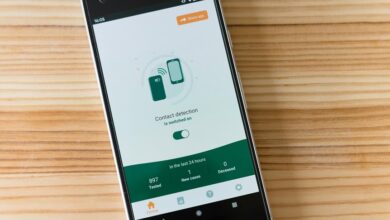
Smart Portal Start 833-599-3309 presents a framework for trusted phone lookups by combining layered identity signals with real-time attestations. It emphasizes privacy, governance, and data minimization while orchestrating modular services for rapid verification. The approach aims to reduce friction for legitimate callers and services alike, with risk-based thresholds and audit trails. Questions remain about implementation details, data sources, and governance roles that shape its effectiveness in practice.
What Is Trusted Phone Lookup and Why It Matters
Trusted Phone Lookup is a verification method that uses a phone number to confirm identity, ownership, or eligibility for a service. This approach focuses on reliable authentication, minimal friction, and rapid results. It enables organizations to verify caller identity before granting access.
Benefits include reduced fraud, stronger trust, and streamlined onboarding through trusted verification, while preserving user autonomy and control.
How Smart Portal Start 833-599-3309 Works Behind the Scenes
Smart Portal Start 833-599-3309 operates through a layered process that verifies identity signals without user-facing friction. The system aggregates signals from trusted sources, applies risk thresholds, and issues real-time attestations.


Behind Scenes, modular microservices orchestrate authentication checks, log activities, and enforce privacy. Data is minimized, access is audited, and safeguards prevent leakage while sustaining a seamless user experience. Behind Scenes.
Real-World Use Cases: When to Verify Calls and How It Helps
Real-world use cases for verifying calls span scenarios where identity confidence matters most, such as high-risk financial transfers, customer service interactions, and regulatory compliance.
This framework supports decision-making without friction, guiding organizations toward timely verification, alerting on anomalies, and documenting risk assessments.
It uses unrelated topic cues as analogy, preventing tunnel vision, while tangent exploration clarifies limits and scope for freedom-minded teams.
Privacy, Trust, and Best Practices for Safe Phone Lookups
Privacy, trust, and best practices for safe phone lookups require a careful balance between data utility and protection. The discussion centers on privacy ethics and responsible access, emphasizing transparent purposes, consent, and auditing. Implement data minimization, minimize retention, and limit sharing. Structured governance and ongoing risk assessment ensure accountability, while user empowerment and clear disclosures sustain trustworthy, freedoms-friendly lookup environments.
Conclusion
Trusted Phone Lookup consolidates diverse signals to verify ownership and eligibility with minimal user friction. Through layered attestations and modular microservices, it delivers rapid, privacy-forward verification for calls and services. This approach reduces fraud risk and enhances onboarding, trusted caller identification, and anomaly alerting. While data minimization and auditable access guide governance, transparent controls empower users. In short, it acts as a compass—steady, guiding trusted connections through a sea of numbers and signals.