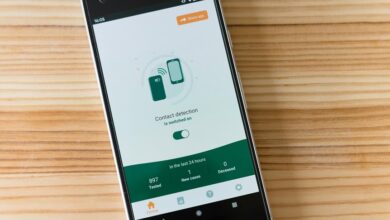
Verified phone signaling aims to authenticate calls and reduce spoofing, but claims must be scrutinized. Signal Radar promises real-time detection and independent validation, yet the evidence, thresholds, and privacy trade-offs require careful evaluation. The approach rests on transparent methods and data minimization, but practical effectiveness depends on rigorous audits and reproducible criteria. The topic invites closer inspection of feasibility and limits, leaving questions that demand further examination beyond initial promises.
What Is Verified Phone Signaling and Why It Matters
Verified phone signaling refers to the process by which a phone system or network marks a call or message as authenticated and traceable, reducing the risk of spoofing and fraud. The concept hinges on verified signaling and robust caller verification, enabling greater accountability.
However, skeptics note potential gaps, implementation variances, and privacy trade-offs, urging independent verification of claims and transparent performance data. Freedom-focused readers demand verifiable, evidence-based assurances.
How Signal Radar Detects Real Caller Signals in Real Time
Skeptics note potential false positives, emphasizing transparent methodology and independent validation within phone signaling frameworks.


Practical Steps for Individuals and Businesses to Verify Calls
A practical approach for individuals and organizations begins with a clear, evidence-based checklist to verify calls rather than relying on impression or marketing claims. The process emphasizes verified signals and transparent criteria, resisting hype.
Practitioners implement real time detection with independent audits, cross-checks, and documented thresholds. Decisions rest on reproducible data, not anecdotes, enabling freedom through verifiable accountability and reduced manipulation risk.
Limitations, Privacy, and Responsible Use of Phone Signal Verification
Limitations and privacy concerns constrain phone signal verification efforts, demanding careful assessment of what signals can be detected, how reliably they can be interpreted, and where error margins may occur. The approach should emphasize measurable safeguards, independent validation, and transparent criteria.
Privacy concerns demand strict data minimization, minimal retention, and purpose limitation, ensuring verification serves legitimate needs without enabling surveillance or abuse. Skeptical, evidence-based scrutiny remains essential.
Conclusion
In a landscape of increasingly authenticated signals, verification promises safety, yet claims remain conditional. Juxtaposing transparency with uncertainty, the article emphasizes reproducible criteria against the backdrop of privacy trade-offs and possible false positives. Evidence-based checks, independent audits, and data minimization temper optimism, while acknowledging limits. Skepticism rests on real-world variability: no universal panacea, only accountable practices. The conclusion underscores cautious adoption—verify, audit, and corroborate—before entrusting all calls to a single signaling standard.