Introduction
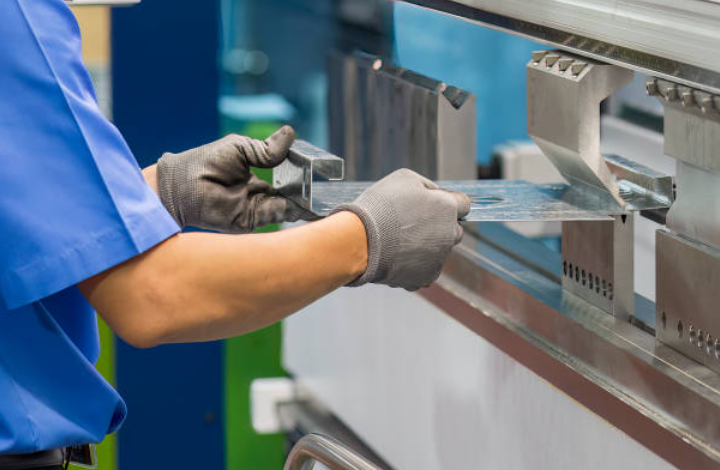
Metal fabrication has evolved into a high-precision industry that demands advanced machinery capable of performing intricate tasks efficiently. In this context, modern press brakes have revolutionized the way metal components are bent and formed. Among these, multi-axis machines represent a significant step forward, enabling manufacturers to achieve unmatched accuracy and productivity. These sophisticated systems are particularly valuable in industries that require complex bends and consistent results.
Evolution of Press Brakes
Traditional press brakes relied heavily on manual adjustments and mechanical operation. While effective for basic tasks, they posed challenges for complex designs and large-scale production. The introduction of multi-axis machines has addressed these limitations. These advanced systems allow operators to manage multiple points of control simultaneously, improving both precision and efficiency.
An 8 axis press brake exemplifies this advancement. With its ability to control multiple axes independently, it allows precise adjustments during the bending process, reducing material waste and improving product quality.
Key Features of Modern Machines
Modern press brakes integrate multiple technological innovations to enhance performance:


- Independent Axis Control: Allows fine-tuning of the back gauge, punch, and die for exact bending angles.
- CNC Integration: Provides programmable sequences, reducing manual intervention.
- Robust Construction: Maintains structural integrity, ensuring consistent performance under heavy loads.
- Enhanced Safety Features: Includes light curtains, emergency stops, and protective guards.
- Versatility: Can handle various sheet materials and thicknesses efficiently.
These features collectively make multi-axis press brakes indispensable in high-precision fabrication environments.
Advantages Over Conventional Press Brakes
Modern machines offer several benefits over traditional equipment:
- Higher Precision: Independent axis control ensures consistent bend accuracy.
- Time Efficiency: Automated sequences reduce setup time and increase production speed.
- Material Versatility: Capable of handling different metals and thicknesses without compromising quality.
- Consistency: CNC programming guarantees uniformity across large production runs.
- Reduced Operator Dependency: Advanced controls minimize reliance on manual skills.
By combining these advantages, manufacturers can achieve both productivity and quality targets more reliably.
Industrial Applications
Multi-axis press brakes are widely used across several sectors:
- Automotive: Production of brackets, panels, and custom components.
- Aerospace: Precise shaping of lightweight metal parts.
- Construction: Fabrication of structural supports, frames, and panels.
- Electrical Equipment: Bending enclosures, housings, and control panels.
- Prototyping and Custom Fabrication: Facilitates small batch and intricate design production.
The versatility and precision of these machines make them suitable for a broad range of industrial applications.
See also: Digital Nomads and Remote Tech Workers: Visa Insights & Document Translation Tips
The Importance of Multi-Axis Control
The strength of an 8 axis press brake lies in its multi-axis functionality:
- Back Gauge Adjustments: Ensures precise placement of sheets for exact bends.
- Tool Alignment: Independent control of punch and die positioning allows for complex bending operations.
- Complex Forming: Capable of executing multiple bends without repositioning the material.
- Real-Time Corrections: CNC systems can adjust movements dynamically to maintain quality.
This level of control minimizes errors and enhances overall operational efficiency.
Selecting the Right Press Brake
Choosing an appropriate machine requires careful consideration:
- Axis Requirements: Determine the number of axes needed for intended operations.
- Drive System: Hydraulic, electric, or hybrid options affect performance and efficiency.
- Software Capabilities: User-friendly CNC systems reduce programming errors.
- Support and Maintenance: Reliable manufacturer support ensures long-term performance.
- Build Quality: Durable materials and robust design enhance longevity.
A well-informed choice ensures optimal output and return on investment.
Maintenance Strategies
Proper maintenance is critical to preserving performance and longevity:
- Routine Inspections: Monitor mechanical and hydraulic components regularly.
- Lubrication: Ensure all moving parts operate smoothly.
- Software Updates: Keep CNC systems updated to prevent operational issues.
- Operator Training: Skilled operation reduces wear and prevents misuse.
Regular maintenance ensures consistent output quality and minimizes downtime.
Economic Benefits
Investing in advanced machinery offers significant financial advantages:
- Reduced Waste: Precision bending decreases scrap material.
- Faster Production: Automation accelerates manufacturing processes.
- Lower Labor Costs: Advanced controls reduce the need for extensive manual intervention.
- Reliability: High-quality components reduce repair costs and machine downtime.
These benefits translate into higher productivity and lower per-unit production costs.
Future Trends in Press Brake Technology
The field continues to evolve with several emerging trends:
- Smart Manufacturing: Integration of IoT and real-time monitoring.
- Predictive Maintenance: Sensors detect issues before they impact production.
- Energy Efficiency: Electric and hybrid drives reduce energy consumption.
- Automation and Robotics: Loading and unloading systems further streamline operations.
These trends will continue to push the boundaries of efficiency and precision in metal fabrication.
Conclusion
Modern multi-axis machines, particularly 8 axis press brakes, have transformed metal fabrication. They provide exceptional precision, flexibility, and automation, making them essential for industries that require complex and accurate bending operations. When paired with proper selection, skilled operation, and regular maintenance, these machines significantly enhance productivity and product quality. As technology advances, their role in industrial manufacturing is set to grow even further.