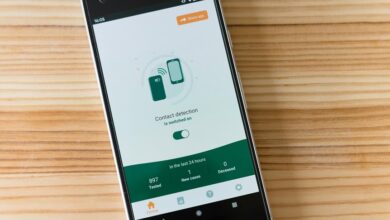
Contact Compass 833-417-2663 proposes a structured method for identifying caller signals and assessing confidence. It claims to flag legitimate numbers while filtering spam through cross-checks of patterns, recent call histories, and user-reported outcomes. The approach guides real-time actions—answer, return, or log—with an emphasis on auditable results. Yet its limits are acknowledged, and the system remains provisional, inviting scrutiny before widespread adoption. Skeptics will want to test its claims against actual outcomes.
What Contact Compass 833-417-2663 Actually Does
Contact Compass 833-417-2663 is presented as a tool for identifying caller signals, but its actual function remains ambiguous. The device offers a framework for confidence assessment, yet outputs depend on incomplete data and subjective interpretation. In practice, it supplements context rather than guarantees accuracy, urging scrutiny of caller context and intent while preserving autonomy from opaque algorithmic certainty. Skepticism remains warranted.
How It Flags Legitimate Numbers and Filters Spam
The system flags legitimate numbers by cross-referencing known contact patterns, recent call histories, and user-reported outcomes, but its rules remain provisional and case-dependent.
In practice, contact signals emerge from imperfect data, balancing transparency with opacity.


Skeptics note gaps in caller filtering, questioning false positives.
The framework aims freedom by clarifying criteria, yet remains conditional, adaptable, and rigorously evaluative.
Using Signals to Decide: Answer, Call Back, or Log a Contact
Signals guide the decision process in real-time: should a call be answered, returned, or logged for later review? The analysis applies Using signals to calibrate action, not reflex.
Decision criteria weigh Caller patterns, timing, and context. Verification steps confirm legitimacy before engagement.
Skepticism persists: freedom-minded readers should demand transparency, reproducible signals, and auditable outcomes rather than trusting intuition alone.
Practical Tips to Improve Accuracy in Daily Calls
Practical tips to improve accuracy in daily calls build on the prior framework of real-time signal assessment by emphasizing repeatable, evidence-based practices. The approach centers on identifying caller context and evaluating signal strength with disciplined scrutiny, rather than assumptions. Practitioners should document outcomes, challenge weak signals, and prioritize verifiable cues, enabling freedom through clearer, faster, more reliable call decisions and reduced noise.
Conclusion
In a detached, analytical frame, the report suggests Contact Compass operates like a coincidence engine: patterns align by chance, histories converge unexpectedly, and outcomes hinge on imperfect signals. The method promises auditable rigor yet rests on gaps that may mislead. Skeptically, users should treat alerts as provisional hints, not proofs, and default to logging uncertain calls. When coincidences accumulate—caller signals, recent activity, user feedback—they may converge into usable guidance, albeit with caution about overconfidence.