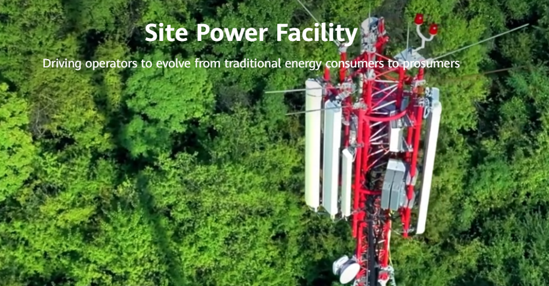
Core Technology and Innovation in Huawei’s Site Power Portfolio
Huawei’s site power solutions are built on three foundational pillars: intelligent energy storage, modular power systems, and AI-driven predictive management. Unlike traditional power setups that rely on rigid, one-size-fits-all designs, these solutions adapt to diverse site conditions—from urban data centers to remote mountain telecom towers. Take its SmartLi lithium-ion battery system, for example; it boasts a cycle life of over 12,000 deep discharges, three times longer than lead-acid alternatives, and operates efficiently in temperatures ranging from -40°C to 60°C, making it suitable for extreme climates like the Arctic or Sahara. This durability reduces replacement costs by up to 50% over a decade, a critical benefit for operators managing scattered, hard-to-reach sites.
The modular PowerCube series further simplifies deployment, with pre-integrated components that cut installation time by up to 60% compared to custom-built setups. Each unit combines rectifiers, batteries, and management software into a compact, weatherproof enclosure, so operators can scale power capacity incrementally without overinvesting upfront. What sets Huawei apart is its FusionPower AI platform, which uses real-time data from sensors and network traffic to predict power demand surges or equipment failures. For instance, it can adjust battery discharge rates to match peak network usage, reducing energy waste by 18% on average while avoiding unplanned outages that cost operators millions in lost revenue and customer churn.
Industry-Leading Scenarios Tailored to Diverse Operational Needs
Huawei’s site power solutions are customized for four high-demand sectors: telecommunications, edge data centers, remote industrial sites, and distributed energy systems. For telecom operators rolling out 5G networks, the biggest challenge is powering high-density small cells while keeping operational costs low. 5G’s higher bandwidth and lower latency require more power per node than 4G, and many regions lack reliable grid access. Huawei’s 5G site power packages combine smart rectifiers with small-scale energy storage, cutting power consumption by 20% and reducing reliance on diesel generators in areas with unstable grids. In Southeast Asia, where tropical heat and monsoons often disrupt grid supply, these systems have helped operators maintain 99.999% network uptime for 5G sites—well above the global industry average of 99.99%.
Edge data centers, which serve as the backbone of IoT and low-latency applications like autonomous vehicles and smart cities, require compact, efficient power solutions that fit in limited physical space. Traditional data center power systems are too large and inefficient for edge deployments, often with a PUE (Power Usage Effectiveness) of 1.5 or higher. Huawei’s EdgePower line is designed for this niche, with power densities up to 5kW per square meter and a PUE of 1.1, far lower than the industry average. For remote industrial sites like mining operations or oil rigs, where grid access is non-existent or prohibitively expensive, Huawei’s hybrid power solutions combine solar, wind, battery storage, and backup diesel generators. This mix reduces fuel consumption by up to 70% and cuts carbon emissions, aligning with global industrial decarbonization goals while ensuring continuous operations.


See also: How the Furniture Industry Is Adapting to Modern Lifestyles and Expectations
Case Studies: Tangible Results from Global Deployments
One standout case is the partnership between Huawei and Indosat Ooredoo Hutchison (IOH), Indonesia’s largest telecom operator, to power 1,200 remote 5G sites across the Indonesian archipelago. Before this deployment, 40% of these island sites suffered monthly outages due to diesel generator failures or fuel shortages, with each outage costing IOH an estimated $15,000 in lost revenue and customer dissatisfaction. Huawei installed SmartLi batteries paired with small solar arrays and smart rectifiers, cutting fuel use by 85% and reducing monthly operational costs by $420 per site. Within two years, IOH reported a 99.99% uptime rate for these sites, and carbon emissions dropped by 32,000 tons annually—equivalent to taking 7,000 gasoline-powered cars off the road for a full year. The project also helped IOH expand its 5G coverage to 98% of Indonesia’s population, up from 82% before the partnership.
Another impactful deployment is with European cloud provider OVHcloud, which adopted Huawei’s site power solutions for its edge data centers in rural France. The original power setup had a PUE of 1.4 and frequent overheating issues in summer, leading to 12 unplanned outages in 2022 that affected 30,000 IoT clients. Huawei replaced the system with its EdgePower 2.0, which integrates liquid cooling and AI power management to adjust energy flows based on real-time temperature and load. The new setup brought PUE down to 1.08, reduced energy costs by 25%, and eliminated overheating-related outages. OVHcloud also noted that the modular design allowed them to add capacity for 50 new IoT clients without renovating the existing infrastructure, saving an additional $1.2 million in capital expenditure.
In the mining sector, China’s Shenhua Group, one of the world’s largest coal producers, partnered with Huawei to power its remote coal mine in Inner Mongolia. The site previously used diesel generators that cost over $2 million annually in fuel and required monthly maintenance, with 15 days of unplanned downtime in 2021 due to generator breakdowns. Huawei deployed a hybrid solar-storage-diesel system, with 5MW of solar panels and 10MWh of SmartLi batteries. This setup cut diesel consumption by 75%, reduced maintenance costs by 60%, and achieved a 10% higher uptime for mining equipment. The project also helped Shenhua meet its 2030 carbon neutrality target for operations, as the site now generates 40% of its power from renewable sources.
Future Roadmap: Sustainable Power for the Next Decade
Huawei’s vision for site power solutions goes beyond current efficiency gains—it’s focused on building a fully integrated, carbon-neutral energy ecosystem for digital infrastructure. Over the next five years, the company plans to expand its use of green hydrogen in hybrid power systems, especially for sites in areas with limited solar or wind resources. Hydrogen fuel cells will serve as long-duration backup, replacing diesel generators entirely in some remote locations, which would further cut carbon emissions by up to 90% compared to fossil fuel-based setups. Huawei is already testing a prototype system in the Australian outback, where it powers a remote telecom tower with solar, hydrogen, and SmartLi batteries, achieving zero diesel use for over six months.
Another key area is the integration of site power solutions with virtual power plants (VPPs). By connecting thousands of small sites—from telecom towers to edge data centers—into a VPP, operators can balance grid load during peak demand periods, earn revenue by selling excess energy back to the grid, and contribute to grid stability. Huawei’s FusionCloud platform will play a central role here, using AI to coordinate energy flows across thousands of sites in real time. For example, during a heatwave in Europe, a VPP of 10,000 edge data centers and telecom towers could reduce grid strain by providing 2GW of backup power, avoiding blackouts and earning operators over $50 million in grid service fees annually.
Huawei is also investing in research to extend battery life even further, with the goal of developing batteries that last 20 years or more, reducing e-waste from energy storage systems. Additionally, the company is working with global governments and NGOs to bring its site power solutions to underserved regions, such as sub-Saharan Africa, where reliable power is a barrier to digital inclusion. A pilot project in Kenya will deploy 500 solar-storage-powered telecom and community sites, enabling remote areas to access mobile banking, telemedicine, and education services—all powered by sustainable, affordable energy. This project is expected to connect 2 million people to digital services by 2027, lifting economic activity and improving quality of life in rural communities.