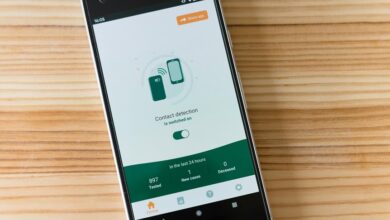
Trusted phone research aims to verify provenance without exposing personal data. The guide proposes privacy-preserving methods to assess numbers, sources, and communications, supported by corroboration from trusted databases and transparent workflows. It emphasizes data minimization, bias checks, and reproducible practices to separate legitimate calls from scams. The approach promises faster, responsible insights for stakeholders, but invites scrutiny of its verification standards and practical implementation before wider adoption. The path forward requires careful evaluation of methods and outcomes.
What Is Trusted Phone Research and Why It Matters
Trusted phone research refers to systematic methods for evaluating the reliability, security, and trustworthiness of phone-related data, technology, and communications practices. This practice enables stakeholders to map risk, verify sources, and inform policy without compromising autonomy. It emphasizes transparent methodologies, reproducibility, and accountability. Trusted research advances privacy preservation, supports informed choices, and promotes responsible adoption of evolving mobile ecosystems for individuals and communities seeking freedom.
Verify Numbers and Sources Without Sacrificing Privacy
Verifying numbers and sources without sacrificing privacy requires a disciplined approach that balances accuracy with data minimization. The process emphasizes trusted research methods, caution, and verification from trusted sources while limiting personal data exposure. Privacy preservation remains central, and researchers evaluate provenance and corroboration, avoiding unnecessary collections.
– This mindset supports informed conclusions with minimal data trails and reliable, principled transparency.

Practical Steps to Distinguish Legitimate Calls From Scams
Practical steps to distinguish legitimate calls from scams require a disciplined, methodical approach that emphasizes verifiable indicators over impressions. Call verification begins with cross-checking caller information against known databases and requesting identifying details. Assess source credibility by analyzing urgency, tone, and inconsistencies. Maintain skepticism, document anomalies, and terminate uncertain interactions. Structured verification protects freedom by reducing reliance on unverified communications.
Tools, Habits, and Checks to Speed Up Safe Research
Do researchers can accelerate safe inquiry by combining proven tools, disciplined habits, and systematic checks that reduce uncertainty and error. They deploy trustworthy sourcing and privacy preserving checks to verify data provenance, minimize leakage, and detect bias. Adopting disciplined workflows, reproducible methods, and risk-aware skepticism speeds validation while preserving autonomy, enabling faster, responsible insights into phone research without compromising privacy or integrity.
Conclusion
In the quiet loom of fingerprints and footprints, trust threads the fabric of every inquiry. A watermark of privacy shields the loom, while corroborating databases serve as steady needles, stitching truth without exposing souls. Caution acts as the bellows, fanning clarity over noise. When signals align—sources verified, workflows transparent, biases trimmed—the tapestry reveals its pattern: legitimate calls emerge from the weave, scams fade into the loom’s shadow, guiding informed decisions in the evolving phone landscape.