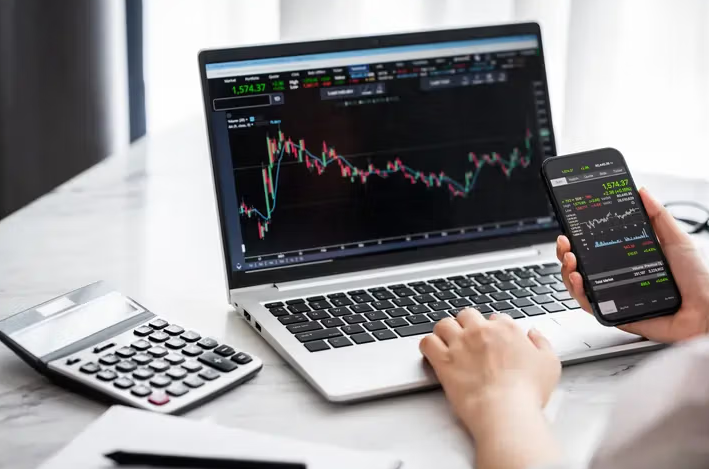
Forex trading is occurring all over the world and the market remains open over extended durations. Traders usually seek to know the most appropriate time to get in and get out of the trades depending on how the market is moving. The liquidity in the market remains changing within different regions as the various regions open and close at various times. Knowledge about these hours assists the traders to make better plans and avoid deliberate or unpredictable hours.
What to know about forex market hours
What are forex market hours?
The hours when trading in the forex is open in the world are called forex market hours. Such hours establish a routine that recurs every day which enables the traders to seek periods of accumulation and evident price direction.
The market is 24-hour a day, and traders are guaranteed to have a trading session, as it is 24 hours a day and 5 days a week. One of the reasons why forex is popular is due to this flexibility.
Why forex market hours matter for traders
The time of the day also matters in the Forex market because volatility, spreads and liquidity depend on time of the day. The overlapping of two big sessions leads to enhancement in the market activity.


When there are quiet periods, price movement is restricted and slow. Ones who are new in their trade are advantaged to know these patterns since they can understand when to venture into the trade with more confidence.
How forex market hours influence global trading activity
Some of the brief list items showing the impact of forex market hours on the activity of global trading are as stated below:
- Price movements are more intense when the activity is high.
- Faster execution is created by more and more traders.
- The trading conditions are usually best in case of overlaps.
- Quiet periods restrict the opportunities of trade.
- Liquidity varies among various sessions.
Main factors that shape market activity
- Trading volume: The volume is altered according to the region in activity. A majority of the forex movement occurs at the time when several traders are online. Low volume translates to minimal moves and slow trade turnover.
- Liquidity: Liquidity increases when there are several players on board and declines when there are fewer players on board. Liquidity is good, and it minimizes slip as well as providing better control of the trade.
- Volatility: Volatility is higher in a case of overlapping sessions. The traders usually take the time to take advantage of these breaks and trends in order to get clear upswings.
How to choose the best time to trade
The decision on when to trade needs the understanding of the most active time in the market. Fast moving traders would opt to trade in high volatility hours. Individuals who prefer peaceful periods choose low volatile hours. The following will be a brief guideline having step-by-step instructions:
- Test the time of the day with the most activity in the market.
- Search overlaps in sessions to have better trend potentiality.
- See to it you do not have very quiet periods unless you trade ranges.
- Adapt your strategy to that of the market speed.
- Monitor your personal performance and change your timing.
Common mistakes to avoid when using forex market hours
A lot of traders do not understand the impact that market hours have on movement. They can either trade prematurely, or too late or in extremely quiet times. These mistakes are avoided which enhances performance.
Simple points to avoid:
- Trading when the volume is too small.
- Overtrading in dead periods.
- Not adjusting strategies to the speed of the market.
- Allowing opening trades without determining liquidity.
Conclusion
The hours in the forex market determine the market movement on any given day. Traders that are aware of such hours enjoy optimal time and clarity of opportunities. Through the patterns of the sessions, liquidity modifications, and overlaps, traders will be able to design better strategies and get better results.