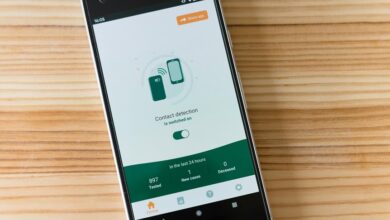
Contact Insight Start 833 Reverse Phone Lookup aggregates public and licensed data to link a number with its most likely owner and context. The method threads multiple sources, applies validation checks, and flags risk signals to support verification. It emphasizes privacy, minimizes exposure, and documents decision trails, while noting spoofing risks. Results are probabilistic, balancing transparency and control. The approach invites scrutiny of practical verification steps as unknown calls persist in 2026, inviting a closer examination of how confidence is earned and applied.
What a Reverse Phone Lookup Actually Does
A reverse phone lookup identifies the owner and related details of a telephone number by querying various public and commercially available databases. It catalogs metadata about the entity behind an unknown number, enabling verification and contact attempts. Results depend on data accuracy, privacy safeguards, and consent. Unknown caller contexts vary; users seek transparency, control, and freedom from unwanted intrusion.
How Insight Start 833 Works Behind the Scenes
Insight Start 833 operates by aggregating publicly available and licensed data to map a returned phone number to its most likely owner and context.
The mechanism for how insight threads data from various sources, runs behind scenes validation, performs reverse lookup, and cross-references caller identity with risk signals.


Safety checks constrain access, ensuring privacy, accuracy, and responsible disclosure.
How to Assess a Caller’s Identity Safely
Assessing a caller’s identity safely requires a disciplined approach that combines validated data, privacy safeguards, and risk-aware interpretation. Analysts evaluate metadata, call provenance, and corroborating records while recognizing disguised numbers and spoofing risks.
Methods emphasize minimal data exposure, informed consent, and documented decision trails. Caution governs assumptions; conclusions reflect probabilistic certainty rather than absolute identification, preserving user autonomy and preventing misuse.
Practical Tips for Verifying Unknown Calls in 2026
Practical tips for verifying unknown calls in 2026 emphasize a disciplined, data-driven workflow that prioritizes privacy and risk reduction. The unknown caller is assessed through corroborated sources, with emphasis on data accuracy and transparency. Privacy implications are weighed against context, ensuring consent requirements are respected. Decision points favor verifiable signals, minimization of intrusiveness, and clear documentation for freedom to act responsibly.
Conclusion
In a world of endless numbers, the Contact Insight Start 833 reverse lookup stands as the ultimate rumor detector, sifting signals from shadows with laser precision. It promises near-omniscient caller fingerprints, yet admits probabilistic certainty and spoofing risks. The system’s transparency, data minimization, and audit trails paint a reassuring, almost superhero-like shield. Still, users should treat results as guidance, not gospel, while cross-checking through multiple sources to avoid the perils of misplaced confidence.